DIY audio amplifier kits have become increasingly popular among electronics hobbyists, audio enthusiasts, and students who want to build their own sound systems. Building your own amplifier not only saves money but also gives you a deeper understanding of how audio electronics work. With the right amplifier kit, you can build a powerful sound system for home audio, car audio, or even professional use.
In this guide, we will explain what DIY amplifier kits are, how they work, and how you can choose the right kit for your project.
What is a DIY Amplifier Kit?
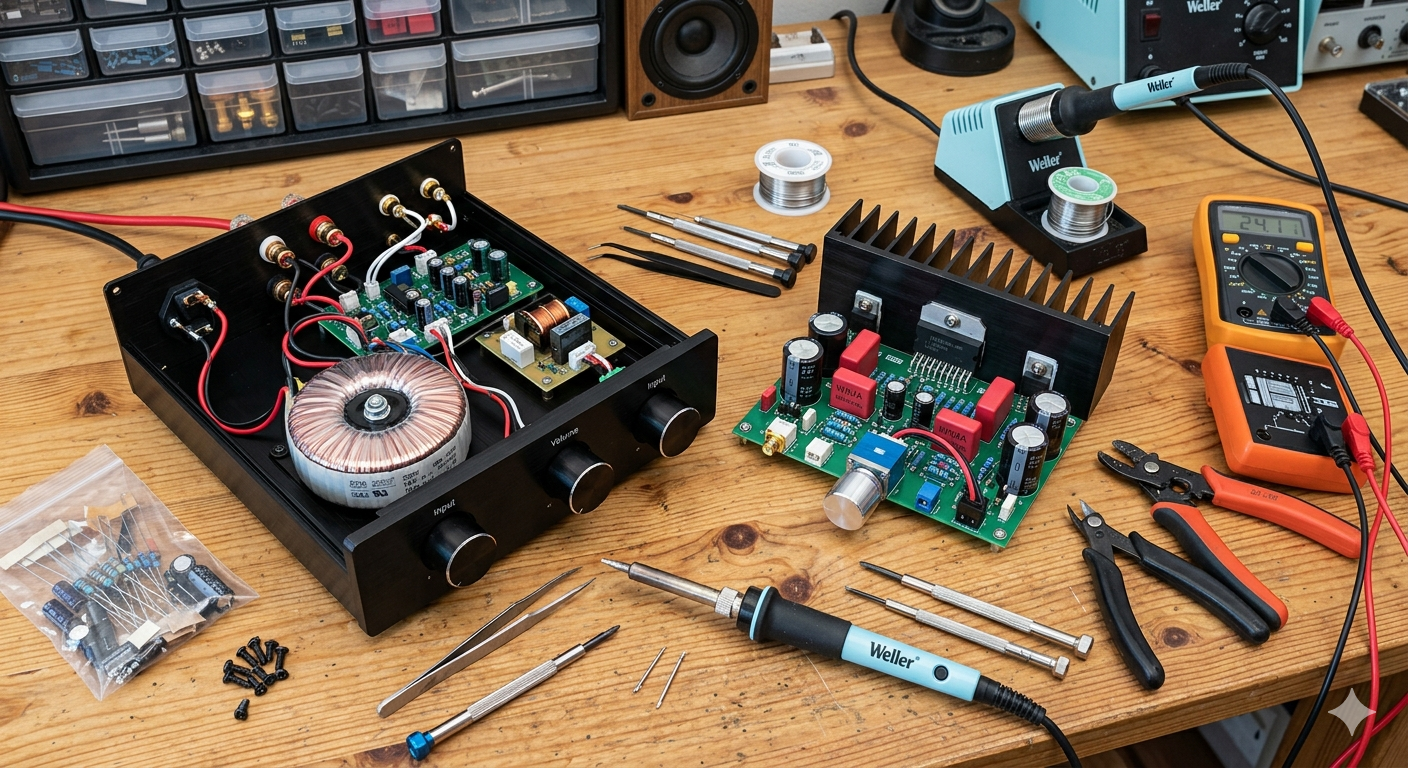
A DIY amplifier kit is an electronic kit that contains all the necessary components required to assemble an audio amplifier. These kits usually include:
- Amplifier PCB
- Transistors / ICs
- Resistors and capacitors
- Heat sink
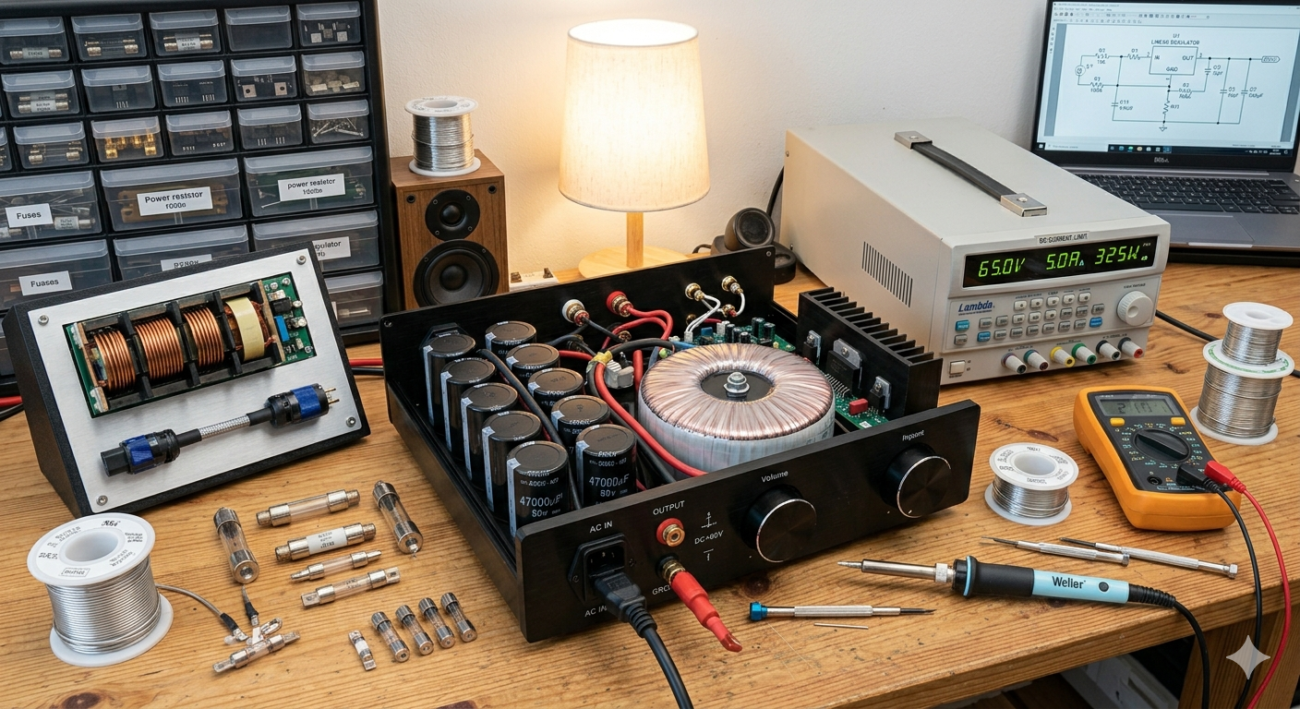
- Power supply components
- Assembly instructions
You need to assemble the components on the PCB and connect a power supply and speakers to complete the amplifier system.
Types of Amplifier Kits
There are different types of amplifier kits available depending on the application:
1. Mono Amplifier
Used for subwoofers and bass systems.
2. Stereo Amplifier
Used for left and right channel speakers.
3. 2.1 Channel Amplifier
Used for subwoofer + 2 satellite speakers.
4. 4 Channel Amplifier
Used in car audio systems.
5. Class D Amplifier
High efficiency amplifier used in modern audio systems.
How to Choose the Right Amplifier Kit
When choosing an amplifier kit, consider the following:
- Power output (Watts)
- Speaker impedance (Ohms)
- Power supply requirement
- Application (Home / Car / Subwoofer)
- Heat dissipation
- Audio quality
Benefits of DIY Amplifier Kits
- Cost-effective
- Easy to repair
- Customizable
- Educational
- Upgradeable
- Better understanding of electronics
Conclusion
DIY amplifier kits are perfect for anyone interested in audio electronics. Whether you are building a home theatre system, a subwoofer amplifier, or a car audio system, DIY kits provide flexibility, learning, and high performance at a reasonable cost.